


Orgone Energy Motor Build Your Own Free Energy System
The Orgone Energy Motor is a DIY energy project inspired by Dr. Wilhelm Reich’s idea of a natural energy force called “Orgone Energy,” believed to exist throughout nature and living beings.
Built using simple materials like copper wire, magnets, and wood, the motor is designed to explore continuous motion without using electricity, fuel, or solar power. It attracts people interested in alternative energy, experimentation, and off-grid concepts.
For many, it’s not just a project but a way to question traditional energy systems and learn through hands-on experience. While orgone energy isn’t scientifically proven, the project remains popular among curious builders and independent thinkers.
What is Orgone Energy Motor?


The Orgone Motor is often described as a mix of simple experimentation and hidden natural forces. It is a basic but mysterious device that is said to create motion using energy we cannot normally see.
The idea comes from the early work of Dr. Wilhelm Reich, who believed there was a universal life energy called “Orgone Energy.” The motor is based on his attempt to turn that idea into something physical and usable.
Instead of using fuel, sunlight, or regular electricity, the motor is believed to work with natural energy already present in the environment. Many cultures have described similar energy for centuries, using names like prana, chi, or vital energy.
Today, many hobbyists build their own versions using easy-to-find materials such as magnets, copper coils, and simple mechanical parts. Some builders are inspired by alternative thinkers like Nikola Tesla and Wilhelm Reich.
For people who build it, the Orgone Motor is more than a DIY project. It represents curiosity, independence, and the belief that energy ideas don’t have to depend on big systems or corporations.
Even though orgone energy is not accepted by mainstream science, many people enjoy building and testing the motor. It encourages hands-on learning, creative thinking, and curiosity about unexplored natural forces.
How Does It Works?
The idea behind the Orgone Motor is not just about coils and magnets. It is based on the belief that nature has its own rhythm and that energy is always moving around us. Dr. Wilhelm Reich believed that orgone energy exists everywhere and is always flowing and interacting with the world.
By placing metals like copper and iron together with organic materials in a special way, the motor is believed to attract and hold this natural energy. Its design is meant to guide that stored energy into continuous movement. Supporters say it turns an invisible force into motion you can see.
One thing that makes the Orgone Motor unique is how easy it is to build. It is designed so people can make it at home without expensive tools or special skills. The main idea is resonance, meaning when materials are placed correctly, natural energy increases instead of fading.
Similar ideas appeared in some of Nikola Tesla’s early experiments with energy and electromagnetic fields. Because of this, many people find the motor interesting and inspiring. For builders, making the device becomes more than a technical project. It becomes a creative and personal learning experience.
Even though modern science does not recognize orgone energy as proven, interest in the Orgone Motor continues. It encourages people to question common ideas about energy and power.
Some people see it as a path toward personal energy freedom, while others see it as a creative experiment. Whether it produces measurable power or not, the biggest impact of the motor is how it inspires curiosity and new ways of thinking about energy and nature.
Orgone Energy Motor Customer Reviews


Mark L., 61 – Phoenix, Arizona
⭐⭐⭐⭐⭐ Verified Purchase
I had heard about the Orgone Motor for some time and decided to try building one. The guide was simple to follow, and the project felt like a fun weekend activity, not something complicated. I don’t have a science background, but once it was running, I noticed a light vibration that got my attention. It’s interesting how such a simple setup can make you think about natural energy and self-reliance. I would recommend it to anyone who enjoys experimenting and learning hands-on.


Susan R., 58 – Des Moines, Iowa
⭐⭐⭐⭐⭐ Verified Purchase
I bought the Orgone Motor just out of curiosity, and it quickly became one of the most interesting DIY projects I’ve worked on. The instructions were clear and explained step by step. Watching it begin to move was truly exciting. It feels like more than just putting parts together — it makes you think about the energy around us. I’ve already suggested it to a few friends who enjoy science projects and mindful exploration.


Daniel P., 67 – Tampa, Florida
⭐⭐⭐⭐⭐ Verified Purchase
The Orgone Motor truly surprised me. I didn’t expect a small DIY device to be this interesting. Building it was hands-on and satisfying, especially working with the magnets and coils. Even though it’s not meant to replace home power, the project itself is eye-opening. It made me think differently about energy and how much we may still not fully understand. A great experience for anyone who enjoys tinkering and exploring new ideas.
Who Created Orgone Energy Motor?
The Orgone Motor comes from the work of Dr. Wilhelm Reich, an Austrian-born psychoanalyst who once worked with Sigmund Freud. In the 1930s, Reich introduced the idea of “orgone energy,” which he described as a universal life force found throughout nature. He believed this energy affected living organisms and could be gathered and used in practical ways, including for health and vitality.
By 1940, Reich built a device called the orgone accumulator. It was made of layered materials and was meant to collect and concentrate this energy. Over time, his research moved beyond psychology into biology and physics, where he claimed orgone energy played a role in life processes and natural movement.
In the late 1940s, Reich said he had observed a motor effect linked to orgone energy. He experimented with a small motor connected to an orgone accumulator and used a small electrical input to start it. He believed the movement showed the influence of orgone energy. However, the setup was unstable and easily affected by weather conditions like humidity and temperature.
Even with these challenges, Reich continued his experiments as part of his interest in alternative energy ideas. His work, including the orgone motor concept, was strongly criticized by mainstream scientists, who did not accept his theories or results.
In 1954, the U.S. Food and Drug Administration obtained a court order that stopped the distribution of orgone-related devices and materials, calling them misleading. Reich did not follow the order and was later sent to prison for contempt of court. He died in prison in 1957.
Although Reich’s work was never accepted by mainstream science, his ideas still attract interest today. Many people who enjoy alternative energy concepts and unusual scientific history continue to discuss and explore his theories.


Science Behind Orgone Energy Motor?
The Orgone Motor is often explained as a mix of unusual ideas and hands-on building. To understand how it is said to work, you need to look at both theory and physical parts. The main idea behind it is orgone energy, a term introduced by Dr. Wilhelm Reich in the 1930s.
Reich described orgone as a universal life energy found everywhere in nature and affecting living things. This idea is not accepted by mainstream science, but Reich and his followers believed this energy could be collected, focused, and used to create motion, such as running a small motor.
From a construction point of view, the Orgone Motor uses parts like copper coils, magnets, metal cores, and specially arranged structures. These parts are placed carefully so they can interact with magnetic fields and the surrounding environment.
Supporters often explain this process using the idea of resonance. They believe the parts respond to existing natural forces instead of using fuel or electricity. According to them, this interaction can slowly create movement, such as rotation or vibration, without a normal power source.
Some design ideas are inspired by early experiments in electromagnetism and frequency tuning. These ideas are often linked to the work of Nikola Tesla. The coils and circuits are arranged to guide energy flow rather than consume energy.
In some versions, builders include an orgone accumulator. This device is believed to collect and concentrate surrounding energy, which is thought to increase the motor’s movement. Even though these ideas are outside modern physics, builders see the motor as a way to experiment with energy and structure.
In real experiments, results are very different from person to person. Some builders notice small movements or vibrations under certain conditions, while others see no effect at all. Things like humidity, temperature, materials, and how accurately it is built seem to matter.
Because of this, the Orgone Motor is usually not seen as a reliable power source. Instead, it is treated as an experimental project. Its main value is encouraging curiosity and creative thinking about energy, motion, and how natural forces might work beyond traditional explanations.
What you Will Get with Orgone Energy Motor?
Digital Blueprints: Clear and detailed plans that show the full layout of the Orgone Energy Motor
Step-by-Step Instructions: Easy, beginner-friendly guidance that explains the process from start to finish
Illustrated Diagrams: Simple visuals that help you clearly see each part, connection, and placement
Materials List: A complete list of required parts that can be found at common hardware or electronics stores
Assembly Guidance: Instructions that explain how to correctly place coils, magnets, and core components
Testing Process: Simple steps to check movement, balance, and basic function after the motor is assembled
Adjustment Tips: Helpful methods to adjust alignment and improve smoothness and stability
Modification Ideas: Suggestions for experimenting with different sizes, layouts, or structures
Bonus Resources: Extra guides that focus on self-reliance and alternative ways of thinking about energy
Hands-On Learning: A practical DIY project designed to build curiosity, understanding, and confidence
Creative Exploration: An activity that encourages trying new ideas beyond traditional energy concepts
Independent Experimentation: Tools and knowledge that let you explore unconventional energy ideas at your own pace
Act Now and Get these Amazing Bonuses Absolutely FREE
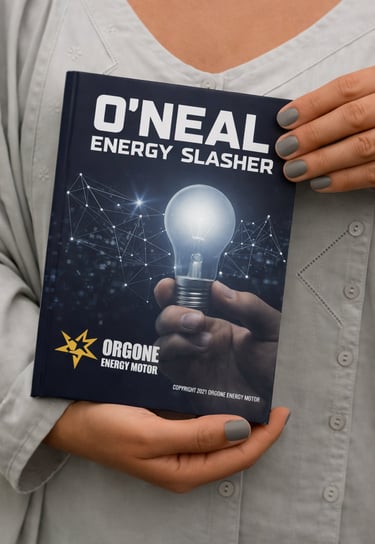

BONUS #1 – O’Neal’s Energy Slasher
This bonus guide explains O’Neal’s Energy Slasher concept in a clear and simple way. It is a DIY-style project that focuses on reducing everyday power waste at home.The guide shows how to build a simple device based on his method of using energy more efficiently. It also explains how certain energy patterns around the home can be noticed, observed, and better managed.The instructions are easy to follow and practical, making it simple for anyone to try the setup. It also encourages exploring ways to improve energy efficiency using common and easily available materials.
BONUS #2 – Van de Graaff Generator
This guide explains how to build a working Van de Graaff generator, which is a popular device used to demonstrate static electricity.
It is a classic hands-on experiment that helps you understand how electric charge builds up and how it moves.This project is ideal for curious builders and learners.It makes the study of electrostatics easy to understand and interesting at the same time.
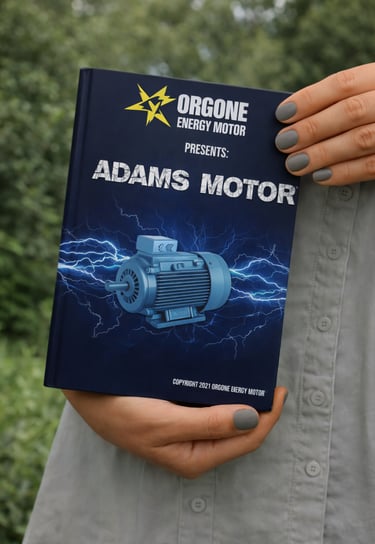
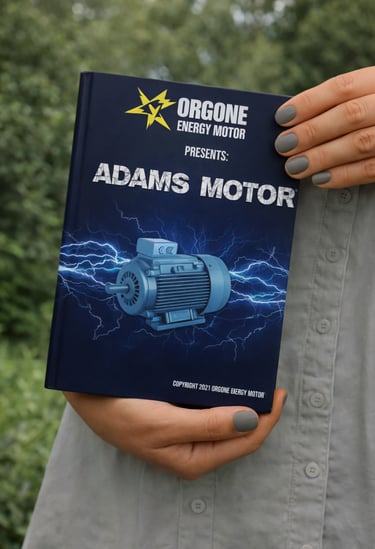
BONUS #3 – Adams Motor
In this bonus guide, you will learn how to build the Adams Motor, which is a pulse-driven, low-voltage motor designed by Robert Adams.The guide explains how controlled electrical pulses and proper magnetic timing work together to create motion using very little input power.This project is a good choice for hobbyists who are interested in experimenting with motion, efficiency, and alternative motor designs.


100% Satisfaction 60-Day Money Back Guarantee
The Orgone Motor comes with a 60-day money-back guarantee, so you can try the program without any pressure or risk.
If you feel that it is not the right choice for you, you can get a full refund within 60 days of purchase.
The refund process is easy and simple.
You just need to contact the support team through email, and the money will be returned without unnecessary questions or delays.This guarantee allows you to explore the system at your own speed.
It also helps you judge its value with full confidence and peace of mind.
Benefits of Orgone Energy Motor
Hands-On DIY Experience: You build the device yourself and learn by doing real, practical work instead of only reading theory. It turns energy ideas into something you can see, touch, and test.
Exploration of Alternative Energy Ideas: It lets you safely explore unconventional energy concepts without depending on traditional fuels, grid electricity, or solar systems.
Low-Cost and Accessible Materials: The project uses simple and affordable parts that are easy to find at local hardware or electronics stores, making it suitable for beginners.
Encourages Self-Reliance: It helps you develop an independent way of thinking by reducing reliance on complex systems and encouraging personal experimentation.
Beginner-Friendly Design: No advanced technical knowledge is needed. The instructions are clear enough for first-time builders and non-technical users.
Improves Understanding of Energy and Motion: It helps you understand how magnets, coils, resonance, and motion work together in a mechanical setup.
Creative and Educational Project: The project combines learning, creativity, and curiosity into an active experience instead of passive reading.
Supports Off-Grid Thinking: It encourages ideas about energy independence and preparedness without needing expensive infrastructure.
Safe Home Experimentation: The design is suitable for home or workshop use with basic tools, keeping the learning process safe and controlled.
Inspires Curiosity and Innovation: It motivates users to explore new ideas, question limits, and think beyond traditional approaches to energy.
Pros and Cons of Orgone Energy Motor
Pros
A simple DIY project that beginners can build without needing technical skills
Uses low-cost materials that are easy to find locally
Encourages learning through hands-on and practical experimentation
Inspires thinking about alternative and off-grid energy ideas
An engaging and creative project for curious and creative minds
Cons
It is not recognized or accepted by mainstream science
Results can be different depending on the environment and how accurately it is built
It is not a guaranteed replacement for traditional electricity sources
How to Use Orgone Energy Motor
Write your text here...Review the Instructions First
Start by carefully reading the blueprints and setup guide. This helps you understand the parts, layout, and the full assembly process before you begin.
Gather All Required Materials
Buy all the listed parts from a local hardware or electronics store. Arrange everything in advance so nothing is missing while building.
Assemble the Motor Step by Step
Follow the instructions in the correct order to build the frame, place the magnets, wind the coils, and install the moving parts. Work slowly and keep everything properly aligned.
Check Balance and Connections
After assembly, check that the rotor spins smoothly and that all parts are firmly fixed. Small adjustments can help improve smooth movement.
Test the Motor
Place the motor in a stable area and watch for any movement or vibration. Things like position, spacing, and surroundings can affect the results.
Make Adjustments if Needed
Adjust magnet positions, coil spacing, or alignment as explained in the guide to improve performance.
Use for Experimentation and Learning
Use the motor mainly as a learning tool. Observe how it behaves, try small changes, and note the results to gain better understanding.
Store and Maintain Safely
When not in use, store the motor in a dry place. Handle magnets and coils carefully to prevent damage.
Orgone Energy Motor Frequently Asked Questions
If Orgone Energy Motor works so well, why aren’t more people using it?
Most people have not heard about it, or they think it is too technical to understand. People who do explore it usually see it as a personal DIY experiment instead of something they openly promote.
How hard will this be to make?
The motor is beginner-friendly and does not need technical knowledge. If you can follow simple instructions, you can build it.
How long will this take?
Reading the guide takes less than one hour. Building the motor usually takes about 1 to 2 hours.
How much do the parts cost?
The parts generally cost between $50 and $110, depending on the size of the motor and the materials you choose.
I'm Ready! How Do I Get Started?
Just download the guide, collect the listed materials, and follow the step-by-step instructions to start building.
Don't Wait Any Longer! Join Your Discounted Program Now!


Regular Price:$149
Today Only for: $49
“ What Happens After I Click The “Buy Now” Button?”


Click the "Buy Now" button to securely purchase Orgone Energy Motor™. Simply enter your details, and you'll gain instant access to the supplement.
Please note that the information we provide is not meant to replace advice from a qualified medical professional.
We encourage you to inform your doctor about any lifestyle changes you make and discuss them with him or her.
If you have any questions or concerns about a medical condition, please contact your physician.
The statements on this website have not been evaluated by the Food and Drug Administration (FDA).
The products are not intended to diagnose, treat, cure, or prevent any disease.
If you are pregnant, nursing, taking any medication, or have a medical condition, please consult your doctor before using our products.
The content on this website and the product being sold are based on the author’s personal opinion.
They are provided on an “AS IS” and “AS AVAILABLE” basis.
You should do your own research and verify the information using other sources when looking into health-related topics.
Always review the information carefully with a qualified healthcare professional before using any protocols mentioned on this website or in the product.
ClickBank is the retailer of the products on this website.
CLICKBANK® is a registered trademark of Click Sales, Inc., a Delaware corporation located at 1444 South Entertainment Ave, Suite 410, Boise, Idaho, 83709, USA, and is used with permission.
ClickBank’s role as a retailer does not mean it endorses, approves, or reviews these products or any claims made about them.
For international shipping outside the United States, additional shipping fees will apply.